
Acne Scar Removal Dermatologist Manhattan: Treatments for Smoother-Looking Skin
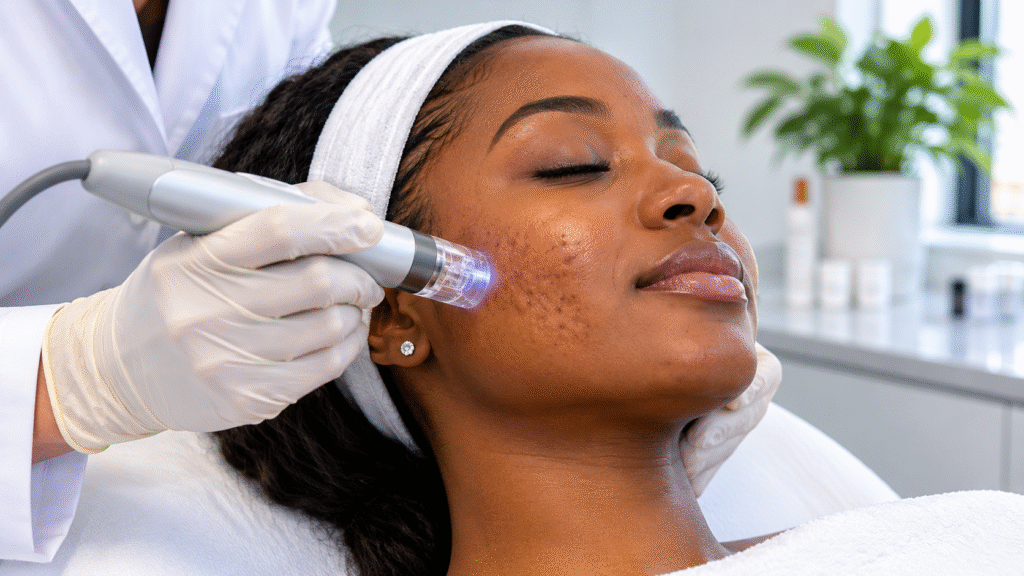
Acne scars can remain long after breakouts have cleared, affecting skin texture, tone, and overall appearance. If you are looking for an acne scar removal dermatologist in Manhattan, professional dermatological care can help you understand your scarring and explore treatments suited to your skin type. At Dr. Dele-Michael, patients receive personalized cosmetic dermatology care with an emphasis on treating different skin types and tones safely and effectively.
Acne scars vary from person to person. Some appear as small indentations, while others create uneven texture, dark marks, or raised areas. Identifying the type of scarring is an important first step toward choosing an appropriate treatment.
Understanding Different Types of Acne Scars
Acne scars develop when inflammation from acne affects the skin’s healing process. Depending on the severity of the breakout and how the skin repairs itself, scars may have different appearances.
Common types include:
- Atrophic scars: Depressed scars that create small pits or uneven areas on the skin.
- Ice pick scars: Narrow, deep indentations that can make the skin appear uneven.
- Boxcar scars: Wider depressions with more defined edges.
- Rolling scars: Broad, shallow indentations that create a wavy skin texture.
- Hypertrophic scars: Raised scars that develop when the skin produces excess collagen during healing.
- Post-acne dark marks: Areas of discoloration that remain after acne inflammation and may be mistaken for permanent scars.
A dermatologist can examine your skin and distinguish between true scars and discoloration, helping determine which treatment approach may be appropriate.
Professional Acne Scar Removal Treatments in Manhattan
There is no single acne scar treatment that works for everyone. The right approach depends on scar type, depth, skin tone, medical history, and individual goals.
Some commonly used dermatological options include:
1. Chemical Peels
Chemical peels use carefully selected exfoliating acids to remove damaged outer skin cells and encourage skin renewal. They may help improve uneven texture, acne-related discoloration, and the appearance of certain shallow scars. At Dr. Dele-Michael, customized chemical peel treatments are available for concerns such as acne scars, pigmentation, and uneven skin texture. The strength and type of peel should be selected according to your skin’s needs and tolerance.
2. Laser Skin Resurfacing
Laser resurfacing uses focused energy to improve the appearance of damaged skin. Depending on the laser and treatment approach, it may help reduce the visibility of certain acne scars and improve uneven texture. Laser selection is particularly important for people with darker skin tones, as some treatments may increase the risk of unwanted pigmentation. A dermatologist experienced in treating skin of color can assess these considerations before recommending a procedure.
3. Microneedling
Microneedling uses fine needles to create controlled micro-injuries in the skin. This process stimulates the body’s natural collagen production, which may gradually improve the appearance of certain depressed acne scars. The number of sessions and expected results depend on the type and severity of scarring. Your dermatologist can determine whether microneedling is appropriate for your skin.
4. Combination Treatment Approaches
Some people have more than one type of acne scarring, making a combination approach worth discussing. A dermatologist may recommend different procedures at separate stages to address texture, pigmentation, and scar depth. The treatment plan should be based on a detailed skin assessment rather than using the same procedure for every patient.
Why Skin Tone Matters When Treating Acne Scars
Acne scar treatment requires special consideration for different skin tones. People with darker skin may be more prone to post-inflammatory hyperpigmentation, which can appear as dark patches after acne or skin irritation. Certain procedures, including chemical peels and laser treatments, need to be selected and adjusted carefully. An unsuitable treatment or excessive irritation may worsen discoloration instead of improving the skin’s appearance. Dr. Dele-Michael focuses on customized dermatological care for people of different skin tones, including African American, Asian, and Latin American skin. Her approach emphasizes selecting treatments and technologies with skin safety in mind.
What to Expect During an Acne Scar Consultation
Before beginning treatment, a dermatologist will evaluate your skin and discuss your concerns. A consultation may include:
- Reviewing your acne history and previous treatments.
- Examining the type, depth, and distribution of your scars.
- Assessing your skin tone, sensitivity, and pigmentation concerns.
- Discussing suitable treatment options and possible side effects.
- Explaining the expected recovery period and number of sessions.
- Creating a personalized treatment plan.
If active acne is still present, controlling breakouts may be an important part of the plan. Managing acne can help reduce the risk of developing additional scars.
How to Support Your Skin After Acne Scar Treatment
Following professional treatment, proper skincare can help support the skin’s recovery. Your dermatologist may recommend:
- Using a gentle cleanser that does not irritate the skin.
- Applying a moisturizer to support the skin barrier.
- Wearing broad-spectrum sunscreen as directed.
- Avoiding harsh exfoliants until your skin has recovered.
- Following the recommended aftercare instructions.
- Avoiding picking or squeezing active acne breakouts.
Recovery instructions can vary depending on the procedure, so follow the guidance provided by your dermatologist.
Choose Personalized Acne Scar Care in Manhattan
Acne scars can be challenging, but the right dermatological approach may help improve skin texture and reduce their visibility. Treatment should always account for the type of scarring, skin tone, and individual skin concerns. Dr. Dele-Michael provides customized cosmetic dermatology services, including skin resurfacing and chemical peels, with a focus on the needs of diverse skin types. If you are considering acne scar removal in Manhattan, a professional consultation can help you understand which options may be suitable for your skin.
Visit Dr. Dele-Michael to learn more about available dermatology services or contact the office to request an appointment.