
Vascular Laser for Spider Veins NYC: Benefits, Procedure, and Recovery
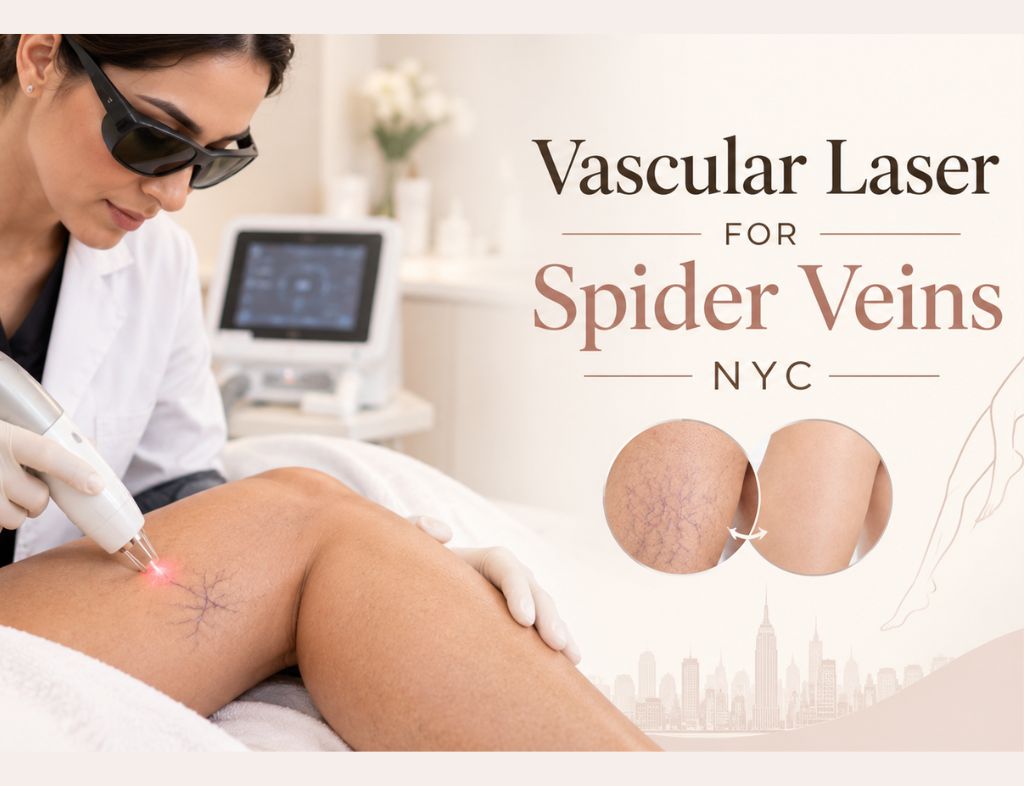
Visible spider veins can affect the appearance of the face and legs, often appearing as fine red, blue, or purple lines close to the skin’s surface. Although these small blood vessels are usually harmless, some people seek treatment to achieve a more even-looking complexion. Vascular Laser for Spider Veins NYC is an option worth exploring for people looking to reduce the appearance of certain visible blood vessels with a targeted, non-surgical procedure.
At Dr. Dele-Michael, patients can explore dermatology and cosmetic skin care options tailored to their individual concerns. Understanding how vascular laser treatment works, its potential benefits, and the recovery process can help you prepare for an informed discussion with a qualified dermatologist.
What Are Spider Veins?
Spider veins, medically known as telangiectasias, are small, visible blood vessels that develop near the surface of the skin. They may appear as branching lines or web-like patterns and commonly occur on the cheeks, nose, ankles, and legs.
Several factors may contribute to their development, including genetics, aging, hormonal changes, sun exposure, and prolonged standing or sitting. The most appropriate treatment depends on the location, size, and characteristics of the affected vessels.
Although spider veins are often a cosmetic concern, veins accompanied by pain, swelling, warmth, or other new symptoms should be medically evaluated before cosmetic treatment.
How Does Vascular Laser Treatment for Spider Veins Work?
Vascular laser treatment uses concentrated light energy to target visible blood vessels beneath the skin. The blood within the targeted vessels absorbs the light energy, generating heat that damages the vessel and allows the body to gradually clear the treated area.
The surrounding skin is protected as much as possible through appropriate device selection, treatment settings, and cooling techniques. The exact approach depends on the type of laser used, the patient’s skin characteristics, and the vessels being treated.
Vascular laser treatment is often considered for small facial spider veins and certain superficial blood vessels. Larger or deeper veins, particularly those on the legs, may respond better to other procedures, such as sclerotherapy. A professional assessment helps determine the most suitable option.
Benefits of Vascular Laser for Spider Veins NYC
For suitable candidates, vascular laser treatment may offer several advantages.
1. Reduces the Appearance of Visible Blood Vessels
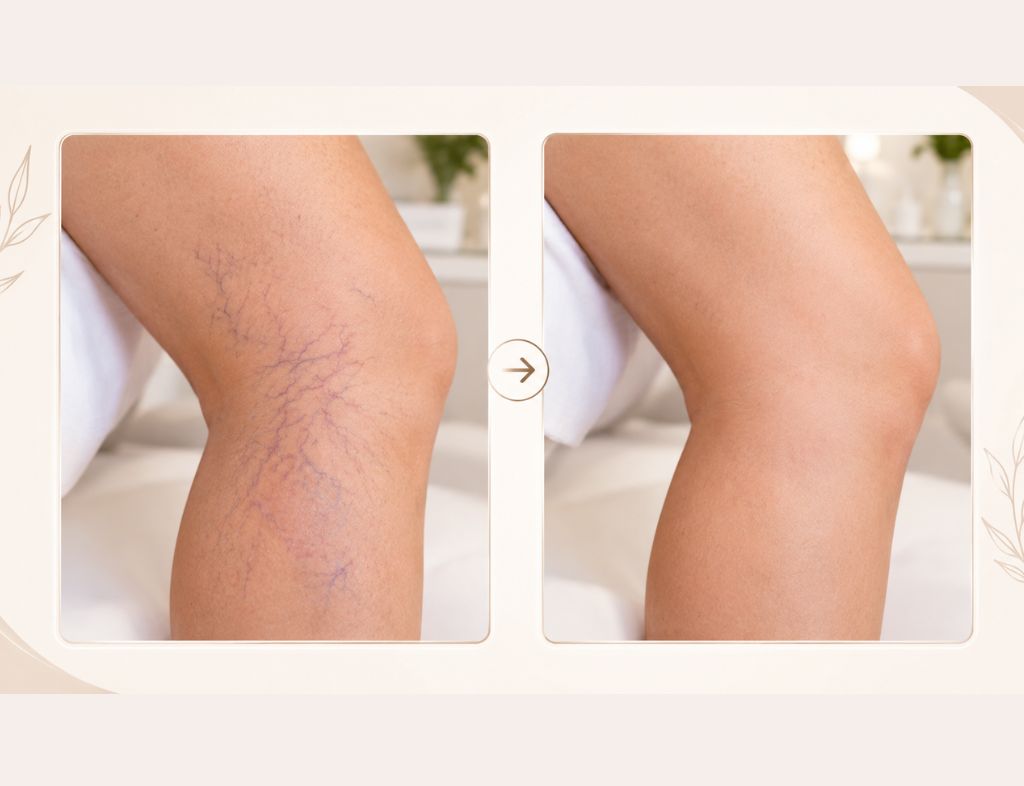
One of the primary goals of vascular laser treatment is to reduce the visibility of targeted vessels. As treated vessels fade, the affected area may develop a more even appearance.
Results vary according to vein size, depth, location, and individual response. Some vessels may require multiple sessions, and treatment cannot guarantee that all visible veins will disappear.
2. A Non-Surgical Treatment Option
Surface vascular laser treatment does not require surgical incisions. It may be an option for patients who want to address certain small visible vessels without undergoing surgery.
However, non-surgical does not mean risk-free. Temporary redness, swelling, bruising, and changes in skin pigmentation can occur, and less common complications are possible.
3. Targeted Treatment
Vascular lasers are designed to focus energy on specific blood vessels. The treatment parameters are selected according to the target vessel and the patient’s skin characteristics.
Careful selection is particularly important for people with darker skin tones because inappropriate laser settings can increase the risk of burns or post-inflammatory hyperpigmentation.
4. An Office-Based Procedure
Many surface vascular laser treatments can be performed during an office appointment without general anesthesia. The duration depends on the size of the treatment area, the number of vessels, and the device being used.
Your dermatologist can explain the expected appointment length, the sensations you may experience, and whether any preparation is needed.
5. Gradual Improvement in Skin Appearance
Some small vessels may become less visible shortly after treatment, while others take several weeks or longer to fade. Multiple sessions may be necessary to achieve the desired improvement.
New spider veins can develop over time, so treatment does not prevent every future occurrence.
What to Expect During a Vascular Laser Procedure
Knowing the typical treatment process can help you feel more prepared for your appointment.
Step 1: Dermatology Consultation
The first step is an assessment of the visible veins and the surrounding skin. Your dermatologist may review your medical history, current medications, previous treatments, skin type, and treatment goals.
If the veins are located on the legs or are associated with other symptoms, additional evaluation may be needed to determine whether an underlying vein condition is present.
Step 2: Selecting the Appropriate Treatment
Not every spider vein requires the same approach. The dermatologist will consider the size, depth, and location of the vessels when recommending treatment.
For example, certain small facial veins may be suitable for vascular laser treatment, whereas many spider veins on the legs are commonly treated with sclerotherapy. Your provider should explain the options, expected benefits, limitations, and potential risks before proceeding.
Step 3: Preparing the Treatment Area
The treatment area is prepared according to the device’s instructions and the provider’s protocol. Protective eyewear is essential during laser procedures, and the appropriate precautions depend on the treatment location and equipment.
Your dermatologist may also provide specific instructions regarding sun exposure, skincare products, and medications before your appointment.
Step 4: Applying the Laser
The provider directs the laser toward the targeted blood vessels using settings selected for your skin and treatment needs. You may feel brief snapping, warmth, or stinging sensations during the procedure.
The duration varies depending on the number of vessels and the size of the area being treated.
Step 5: Receiving Aftercare Instructions
After treatment, the provider will explain how to care for the area, which products to use or avoid, and when to return for follow-up.
Following these instructions can support healing and help reduce the risk of unwanted skin reactions.
Recovery After Vascular Laser Treatment
Recovery depends on the laser used, the treatment area, and the individual’s skin response. Some people experience mild redness or swelling, while others may develop temporary bruising, crusting, or changes in pigmentation.
To support recovery, follow the personalised instructions provided by your dermatologist.
- Protect your skin from the sun: Use appropriate sun protection and follow your provider’s recommendations to reduce the risk of pigmentation changes.
- Keep skincare gentle: Use only recommended cleansers and moisturisers while the area heals.
- Avoid picking or scratching: Allow the treated skin to heal naturally.
- Follow activity guidance: Ask your provider whether you need to temporarily avoid strenuous exercise, heat exposure, or swimming.
- Attend follow-up appointments: Your dermatologist can assess the response and determine whether further treatment is appropriate.
Some treated vessels may take weeks or months to fade, depending on their characteristics. Do not judge the final outcome immediately after the procedure.
Contact your provider if you develop severe or worsening pain, blistering, signs of infection, or an unexpected skin reaction.
Is Vascular Laser Treatment Suitable for All Skin Types?
Vascular laser treatment requires an individualised approach. Skin tone, tanning, the type of vessel, and the specific laser technology all influence treatment selection.
People with darker skin tones may have a higher risk of unwanted pigmentation changes or burns with certain laser settings. This does not automatically rule out treatment, but it makes appropriate device selection, professional expertise, and careful parameter adjustment especially important.
At Dr. Dele-Michael, the practice emphasises dermatological care for a range of skin tones and individual skin concerns. Patients can discuss their skin characteristics, treatment history, and goals during a consultation to determine which options may be appropriate.
Vascular Laser vs. Sclerotherapy: What’s the Difference?
Both vascular laser treatment and sclerotherapy can help reduce visible spider veins, but they work differently and may be recommended for different situations.
| Feature | Vascular laser treatment | Sclerotherapy |
| How it works | Uses targeted light energy to damage the vessel | Injects a solution into the vein to close it |
| Common use | Certain small facial vessels and selected superficial veins | Commonly used for spider veins on the legs |
| Needles | Does not require injections into the treated vessels | Requires injections |
| Number of sessions | May require multiple sessions | May require multiple sessions |
| Suitability | Depends on vessel characteristics, skin type, and laser technology | Depends on vessel characteristics and medical assessment |
Neither treatment is universally best. The appropriate choice depends on the type of vein, its location, medical history, and treatment goals.
How to Prepare for Your Vascular Laser Consultation in NYC
Preparing a few questions in advance can help you make a more informed decision about treatment.
Consider asking:
- Is laser treatment appropriate for the location and size of my spider veins?
- Are there other treatments that may work better for my condition?
- What results are realistic for my skin type?
- How many sessions might I need?
- What side effects and complications should I understand?
- What preparation and aftercare will be required?
- What is the total estimated cost of treatment?
Share your medical history and medication list with your provider, including any history of unusual scarring, pigmentation changes, or previous laser treatments. Follow your provider’s guidance rather than stopping prescribed medication on your own.
Explore Vascular Laser Treatment Options at Dr. Dele-Michael
If visible spider veins are affecting your confidence, learning about available treatments is a useful first step. The right approach begins with a professional assessment of your skin, the vessels involved, and your individual goals.
Dr. Dele-Michael provides general and cosmetic dermatology services in New York City, with an emphasis on personalised care for diverse skin types. Patients interested in vascular laser treatment should contact the office to confirm current treatment availability and discuss the options appropriate for their concerns.
Visit the Dr. Dele-Michael website to learn more about the practice, or use the contact page to request an appointment.
Frequently Asked Questions
How many vascular laser sessions are needed for spider veins?
The number of sessions varies depending on the number, size, and location of the vessels and how they respond to treatment. Some patients may need more than one session.
Is vascular laser treatment painful?
Patients may experience brief snapping, warmth, or stinging sensations. The level of discomfort depends on the device, treatment area, and individual sensitivity.
How long does it take for spider veins to fade after laser treatment?
Some small vessels may fade quickly, while others take several weeks or longer. The timing depends on the vessels and the treatment used.
Can vascular laser treatment remove spider veins permanently?
Treatment can reduce or eliminate targeted visible vessels, but new spider veins may develop later. Results vary, and maintenance or additional treatment may sometimes be needed.
Is vascular laser better than sclerotherapy?
Neither treatment is best for every patient. Laser treatment is often considered for certain small facial vessels, while sclerotherapy is commonly used for spider veins on the legs. A qualified provider can recommend an appropriate option after evaluating the veins.
Take the Next Step Toward Clearer-Looking Skin
Understanding the benefits, procedure, and recovery associated with Vascular Laser for Spider Veins NYC can help you approach treatment with realistic expectations. While vascular lasers may be suitable for certain visible blood vessels, the best results begin with careful assessment, appropriate technology, and professional aftercare.
To explore treatment options for your individual concerns, visit Dr. Dele-Michael and contact the office to discuss your next steps.