
Scalp Health Specialist NYC: Expert Care for Healthy Hair and Scalp
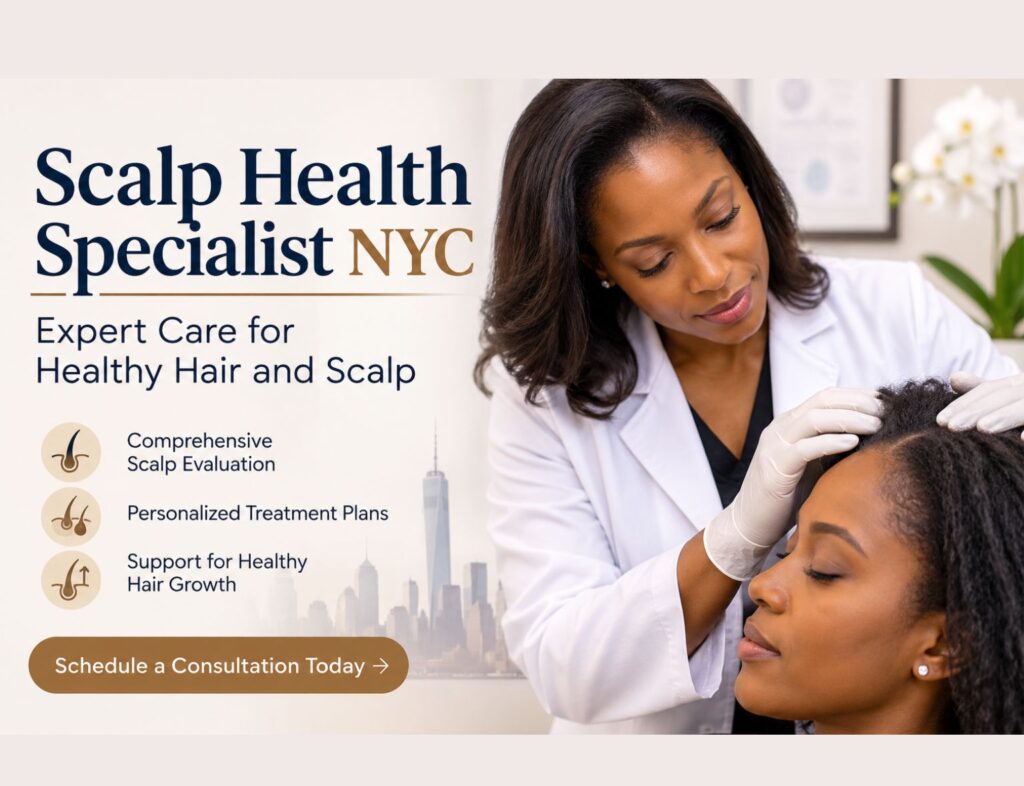
A healthy scalp is the foundation of healthy hair growth. Issues such as scalp irritation, inflammation, dryness, excessive flaking, and hair thinning can affect both scalp comfort and hair appearance. Consulting a Scalp Health Specialist NYC can help identify the underlying causes of these concerns and determine suitable treatment options. Scalp health is often overlooked until noticeable symptoms develop. However, paying attention to early changes in the scalp can help prevent certain conditions from becoming more difficult to manage. With professional dermatological care, patients can better understand their scalp condition and explore treatments that support healthier hair.
Why Is Scalp Health Important?
The scalp contains hair follicles, oil glands, and skin tissues that play an important role in maintaining healthy hair. When the scalp is affected by inflammation, excessive oil production, dryness, or other skin conditions, it may contribute to hair and scalp concerns.
Common signs of poor scalp health include:
- Persistent itching or irritation.
- Dryness and excessive flaking.
- Redness or scalp sensitivity.
- Excessive oiliness.
- Scalp inflammation.
- Hair thinning or increased hair shedding.
- Tenderness or discomfort around hair follicles.
These symptoms can have different causes, so a professional evaluation is important before choosing a treatment.
Common Scalp Conditions That Require Professional Attention
A dermatologist can evaluate different scalp conditions and recommend appropriate care based on the symptoms and their underlying causes.
1. Seborrheic Dermatitis
Seborrheic dermatitis is a common inflammatory skin condition that can affect the scalp. It may cause redness, itching, and greasy or dry flakes. Although it is often associated with dandruff, more persistent symptoms may require medical attention.
2. Scalp Psoriasis
Scalp psoriasis is an inflammatory condition that can cause thick, raised patches covered with silvery scales. It may lead to itching, irritation, and discomfort. Dermatological treatments can help manage symptoms and improve scalp condition.
3. Folliculitis
Folliculitis occurs when hair follicles become inflamed. It may appear as small bumps, redness, tenderness, or pimple-like spots around the hair follicles. Identifying the cause is important for selecting the right treatment.
4. Dry and Itchy Scalp
Scalp dryness can develop due to environmental factors, harsh hair products, frequent washing, or underlying skin conditions. Persistent itching should not be ignored because scratching can further irritate the skin.
5. Hair Thinning and Hair Loss
Hair thinning may be associated with genetics, hormonal changes, nutritional deficiencies, inflammation, or other medical conditions. A dermatologist can assess the scalp and hair follicles to help identify possible contributing factors.
Why Choose a Scalp Health Specialist in NYC?
Choosing the right specialist is important because scalp concerns can have different underlying causes. A dermatologist can examine the scalp, review medical and hair-care history, and recommend an appropriate treatment plan.
At Dr. Dele-Michael, the approach to dermatological care focuses on understanding individual skin and hair concerns. Dr. Adebola Dele-Michael is a board-certified dermatologist with experience in caring for different skin types, tones, and hair concerns.
Her practice emphasizes personalized care, particularly for people with skin and hair of color. This is important because certain hair-care practices, inflammatory conditions, and hair loss patterns may require specialized attention.
How Professional Scalp Care Can Support Healthy Hair Growth
Healthy hair growth begins with healthy hair follicles. Professional scalp evaluation can help identify factors that may interfere with normal hair growth.
Depending on the diagnosis, treatment may involve:
- Medical Scalp Treatments: Addressing underlying skin conditions that contribute to itching, inflammation, or irritation.
- Hair Loss Evaluation: Identifying possible causes of hair thinning and excessive shedding.
- PRP Hair Restoration: Using platelet-rich plasma from the patient’s own blood to deliver concentrated growth factors to areas experiencing hair thinning.
- Low-Level Laser Light Therapy: Using light energy to support hair follicles and address certain types of hair thinning.
- NeoGraft Hair Restoration: A hair transplant technique designed to restore hair in areas affected by hair loss.
The right treatment depends on the individual’s hair condition, medical history, and treatment goals.
Learn more about Hair Restoration Treatments at Dr. Dele-Michael.
Understanding PRP Treatment for Scalp and Hair Health
Platelet-Rich Plasma (PRP) is a non-surgical hair restoration treatment that uses components from the patient’s own blood.
The procedure generally involves three steps:
1. Blood Collection
A small blood sample is collected from the patient.
2. Platelet Concentration
The sample is processed to separate and concentrate platelets containing growth factors.
3. Scalp Application
The concentrated PRP is injected into targeted areas of the scalp to support hair follicle activity and encourage hair growth. PRP may be considered for certain types of male-pattern and female-pattern hair loss. Results vary depending on the individual’s condition, and multiple sessions may be recommended. At Dr. Dele-Michael’s office, PRP Hair Restoration is available as part of the practice’s hair restoration services.
Scalp Health Tips to Maintain Healthy Hair
Professional care is important, but maintaining a consistent hair-care routine can also support scalp health.
Here are some practical tips:
1. Keep Your Scalp Clean
Wash your scalp regularly using products suited to your scalp type. Avoid excessive product buildup, which may contribute to irritation.
2. Avoid Harsh Hair Products
Some products containing strong fragrances or irritating ingredients may cause scalp sensitivity. Choose products that work well with your skin and hair.
3. Be Gentle With Protective Hairstyles
Tight braids, extensions, ponytails, and other hairstyles that pull on the hair can contribute to traction alopecia. Choose comfortable hairstyles that minimize tension on the hairline.
4. Avoid Excessive Heat and Chemical Processing
Frequent heat styling and chemical treatments may damage the hair shaft and contribute to breakage. Give your hair time to recover between treatments.
5. Do Not Ignore Persistent Scalp Symptoms
A dermatologist should evaluate persistent itching, flaking, redness, tenderness, or unusual hair shedding instead of relying solely on over-the-counter products.
6. Maintain a Balanced Diet
Adequate protein, iron, zinc, and other nutrients are important for normal hair growth. Nutritional deficiencies can contribute to hair shedding, so discuss persistent concerns with a healthcare professional.
Scalp Health Considerations for People With Skin and Hair of Color
People with textured hair and darker skin tones may have specific scalp and hair-care concerns that benefit from specialized dermatological attention. For example, tight hairstyles and repeated tension can contribute to traction alopecia, particularly around the temples and hairline. Certain inflammatory scalp conditions may also cause changes in skin pigmentation. A dermatologist experienced in skin and hair of color can help assess these concerns and recommend suitable treatment options. Dr. Dele-Michael focuses on advancing dermatological care for people of different skin tones and backgrounds. Her personalized approach considers individual hair and skin characteristics when evaluating treatment options.
When Should You Schedule a Scalp Evaluation?
You should consider consulting a dermatologist if you experience:
- Persistent scalp itching or irritation.
- Noticeable hair thinning or a widening hair part.
- Receding hairline or thinning around the temples.
- Excessive hair shedding.
- Painful bumps or inflammation around hair follicles.
- Scalp flaking that does not improve with regular care.
- Hair loss following tight hairstyles or chemical treatments.
Early evaluation can help identify the underlying cause and determine whether medical treatment or hair restoration may be appropriate.
Get Personalized Hair and Scalp Care in NYC
Maintaining a healthy scalp requires more than choosing the right shampoo or hair-care products. Understanding the underlying causes of scalp irritation, inflammation, and hair thinning is an important part of maintaining healthy hair. If you are looking for a Scalp Health Specialist NYC, Dr. Dele-Michael offers personalized dermatological care with a focus on skin and hair of color. Her practice provides hair restoration options, including PRP Hair Restoration, NeoGraft, and Low-Level Laser Light Therapy, depending on individual needs. Take the next step toward understanding your scalp and hair concerns with professional guidance.
Schedule a Consultation with Dr. Dele-Michael and Get Personalized Guidance for Your Hair and Scalp Health.